I recently visited the MFA to catch the Winslow Homer exhibit before it left town. Ironically, it wasn’t Homer’s work that stayed with me.
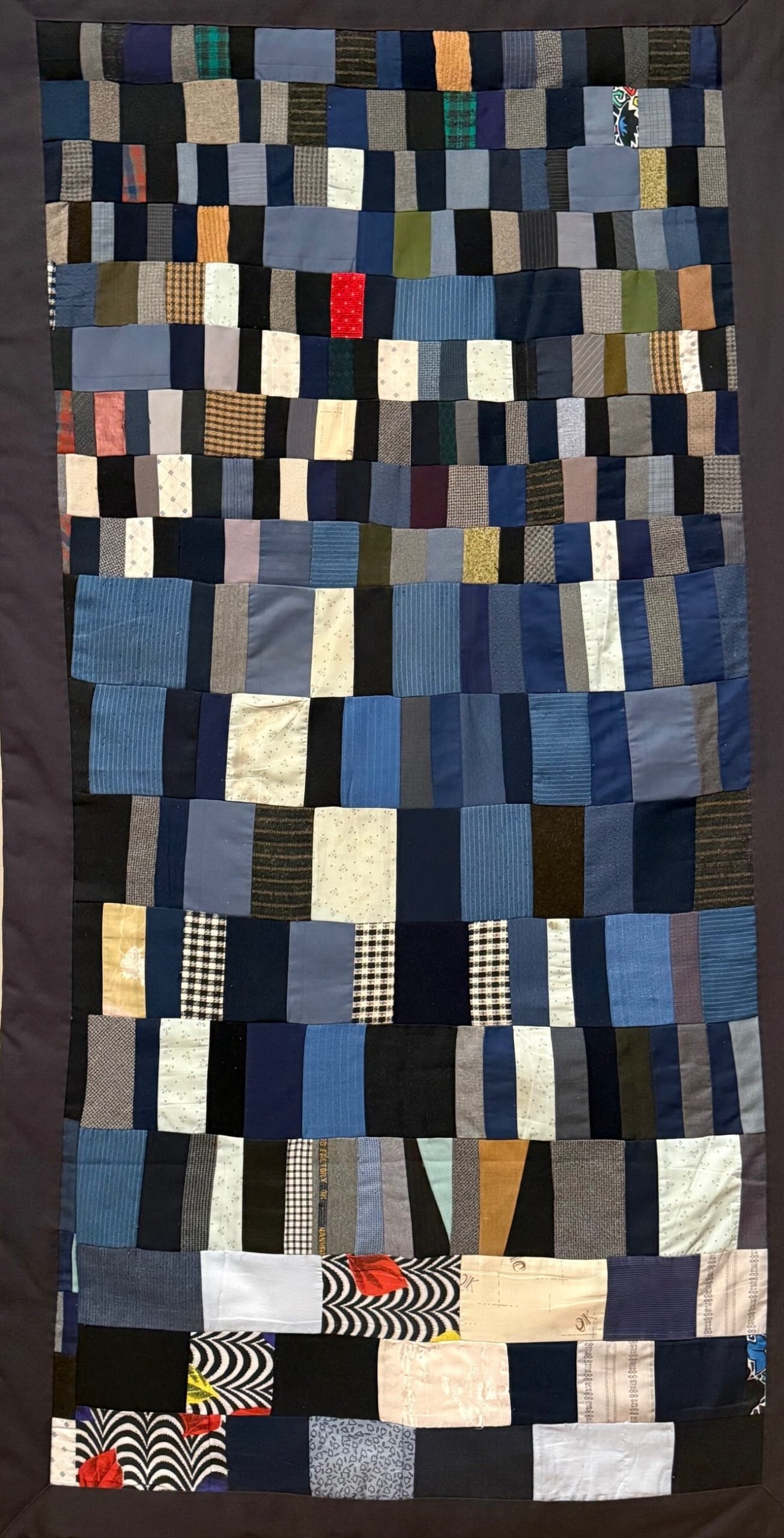
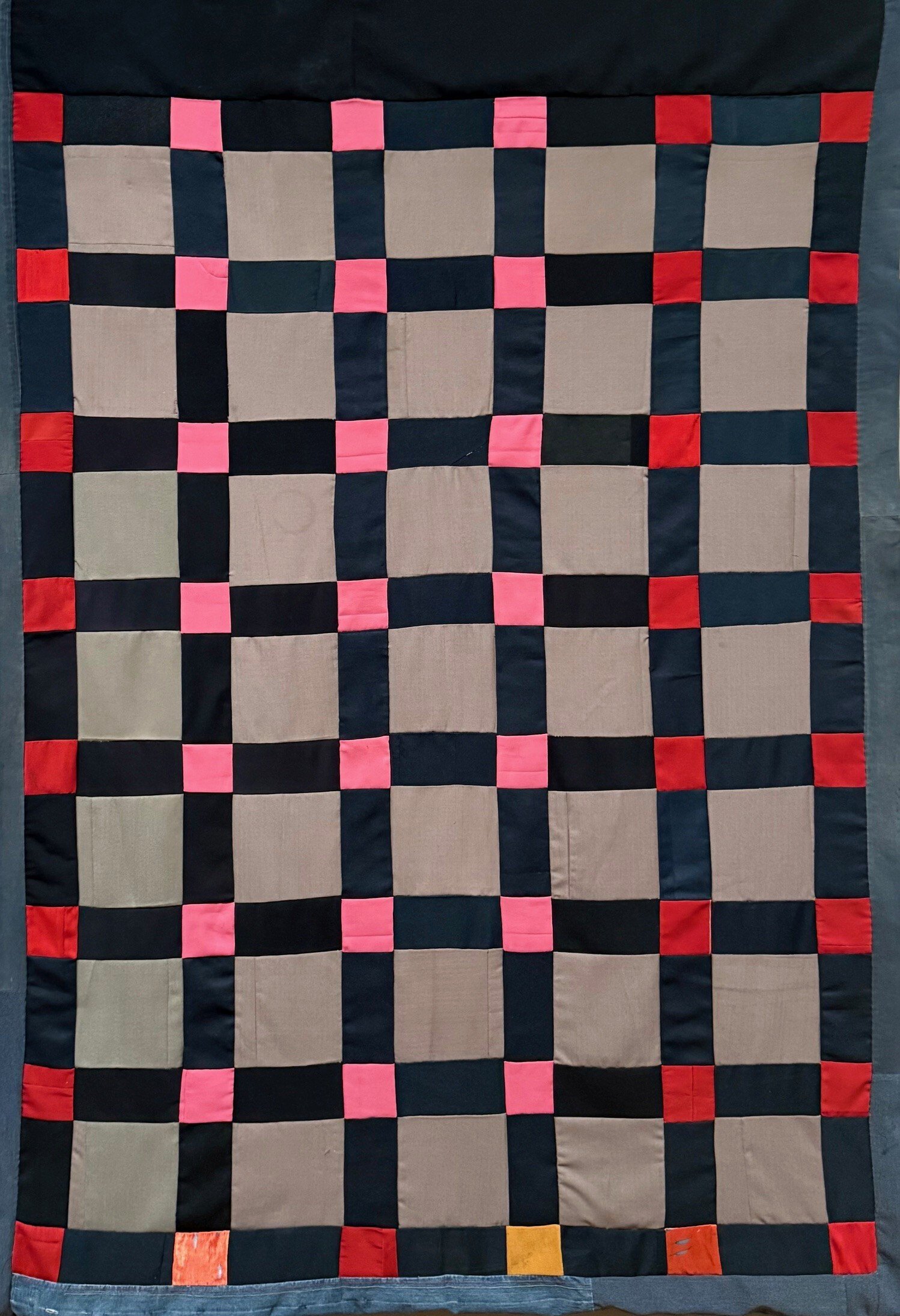
What I couldn’t shake was a much smaller exhibition nearby — about 20 vivid, kaleidoscopic Chinese patchwork textiles. They were bold, practical, imperfect, and beautiful all at once. The MFA describes the tradition like this:
“In rural Chinese villages today, women are creating dynamic patchwork textiles, as their mothers and grandmothers did before them. This art form, which evolved from ancient Buddhist and Daoist customs of monks dressing in patched rags to project a sense of humility, is rooted in practicality, with the fabrics serving as bed and window covers, door curtains, and children’s clothing. The vibrant abstract compositions demonstrate creativity and fine artistic sensibilities that flourish far beyond the borders of established Chinese art canons.”
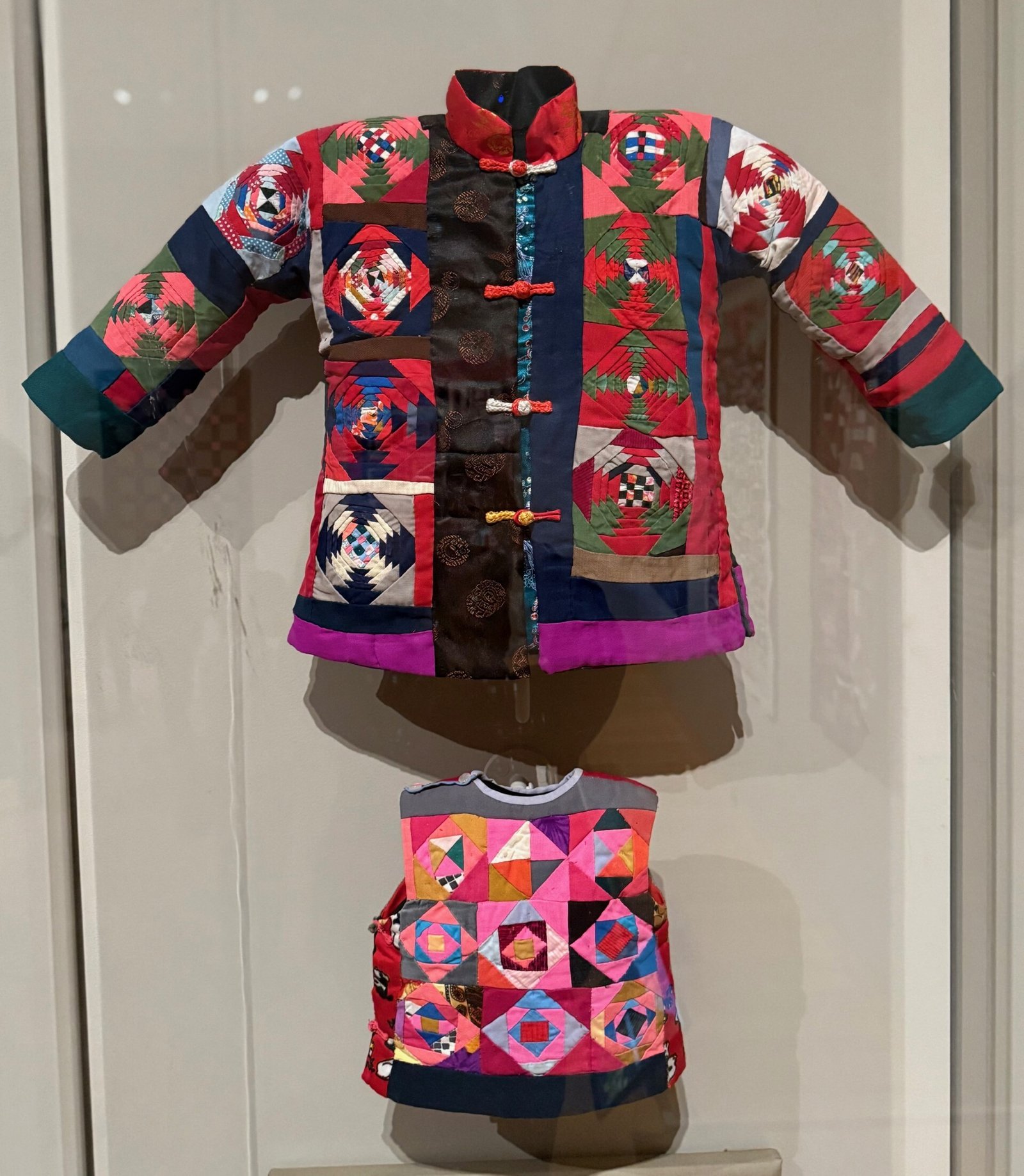
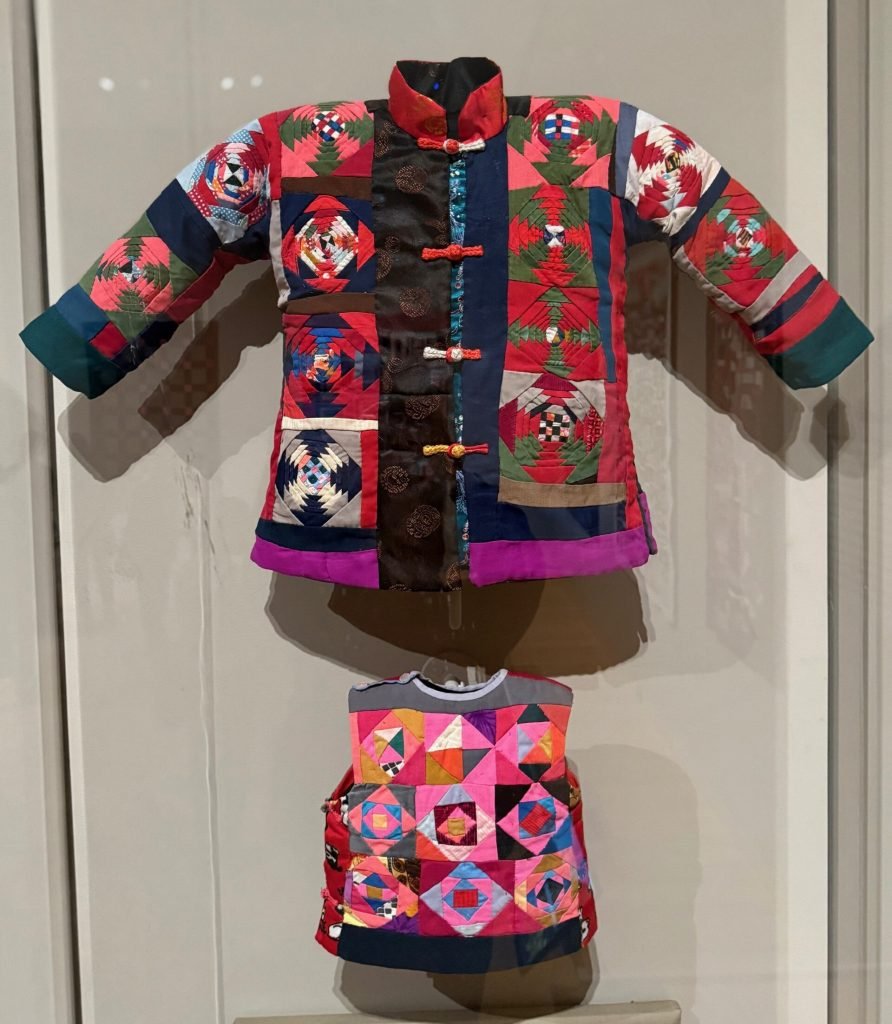
Many of the pieces were made entirely from fabric scraps. In these communities, textiles aren’t disposable — they’re valuable. Every remnant has a purpose. Some works served as door coverings or furniture drapes, but one piece stood out to me most: a striking child’s outfit, alive with color and intention.
When I learned that many of the materials came from worn or retired clothing, it all clicked.
At Rebound Style, we’re not claiming comparison to an art form like this. But the philosophy behind it hits close to home. Taking what’s been overlooked, undervalued, or written off — and putting it back into rotation with purpose — is exactly what we’re about. Clothing has a second life when someone sees the value in it again.
Less waste. More style.
The exhibit is on display at the Museum of Fine Arts in Boston through May 3rd. If you’re nearby, it’s well worth your time. And if the story resonates beyond the visit, we’ve linked to a beautiful book below that dives much deeper into this tradition.
Chinese Patchwork: Ancient Origins, New Expressions
Catch you on the rebound,
Tom